Ball of the Foot Pain Solutions


Ball of the Foot Relief
Why Does the Ball of Your Foot Hurt?
Pain in the ball of the foot — known medically as metatarsalgia — is one of the most common foot complaints. It develops when excess pressure beneath the metatarsal heads which may or may not cause a callus or can be due to neurological problems or arthritis. See the video below to learn more.
Metatarsal Pads vs. Callus Pads: What's the Difference?
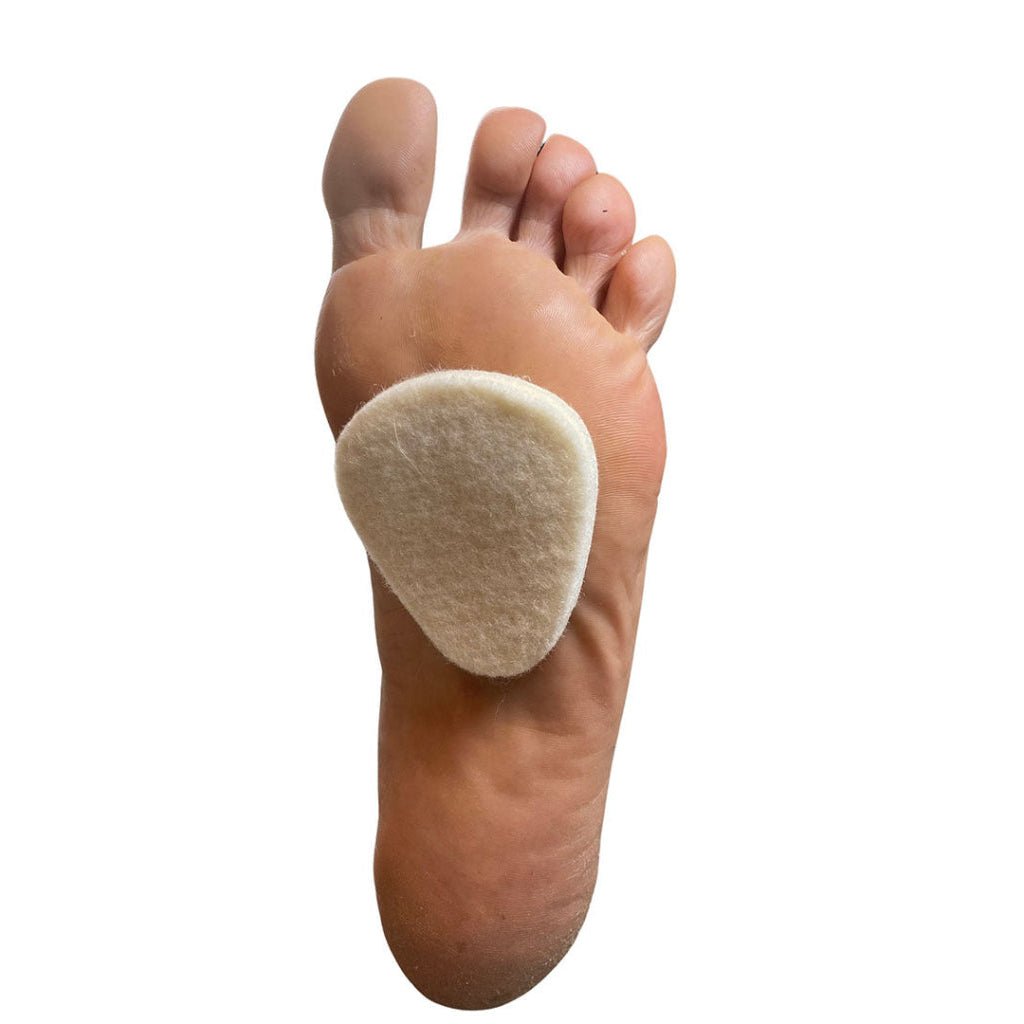
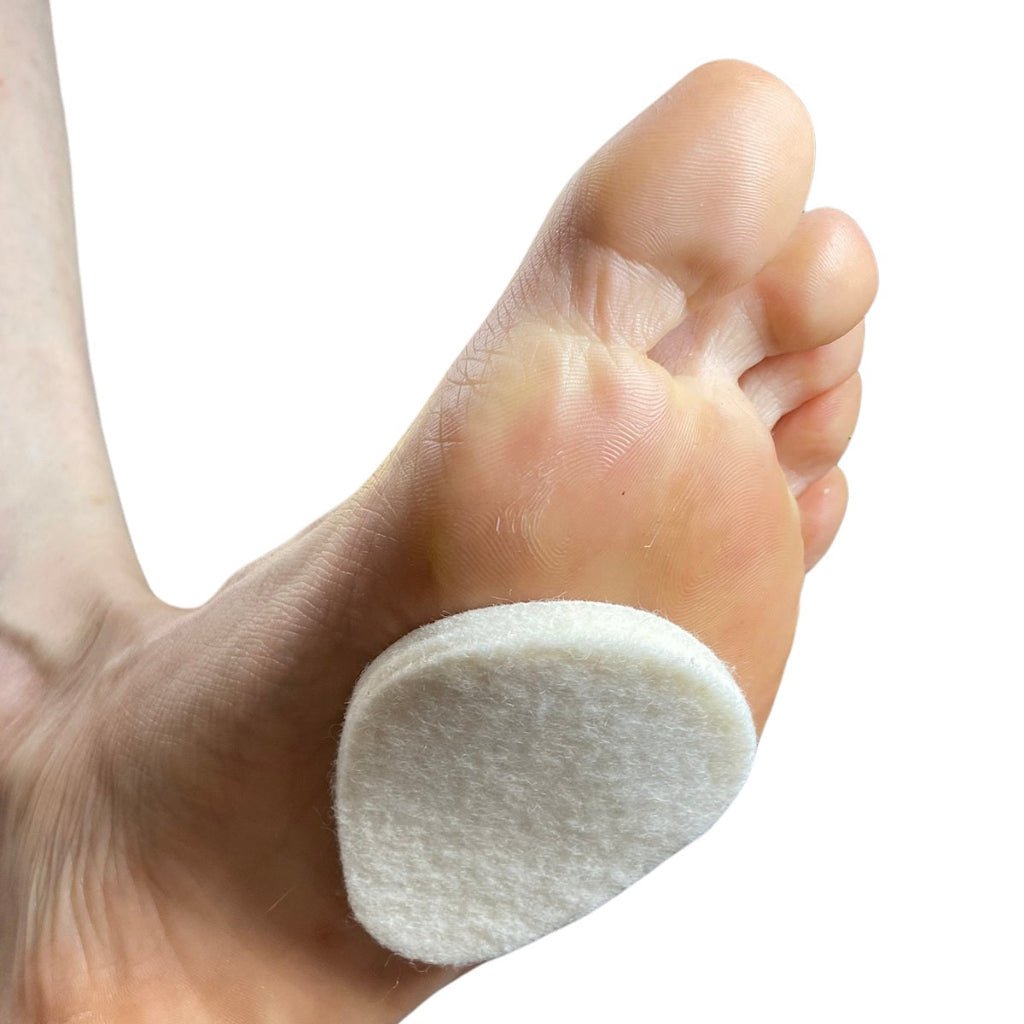
Metatarsal pads work by redistributing pressure away from the metatarsal heads. Placed just behind the ball of the foot, they gently lift and spread the metatarsals, reducing the pressure here
✔ Metatarsal pads offload pressure off ball of the foot to give relief — ideal for metatarsalgia, Morton’s neuroma.
✔ Dense medical-grade felt cushions, redistributes weight away from painful areas like calluses and helps reduce inflammation from repetitive stress or impact
✔ Used daily by podiatrists in office to help patients with non-surgical pain relief and daily foot comfort.
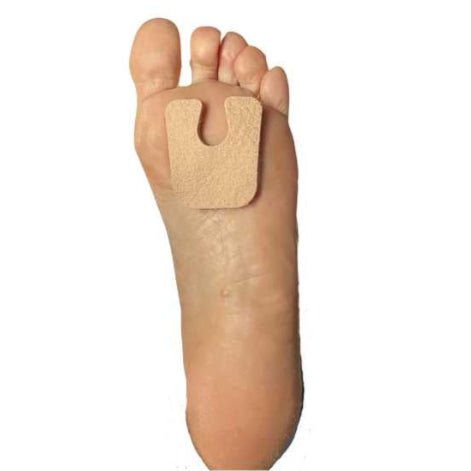
Callus pads provide professional grade pressure relief from calluses..
✔ Versatile pressure relief — can be applied to ball of foot, heels, bunion or any pressure area
✔ Medical-grade felt — redistributes weight away from painful areas and reduces irritation
✔ Prevents callus formation — protects vulnerable areas from friction and pressure


Why the Ball of Your Foot Hurts and How to Relieve It
Metatarsalgia Explained
Learn about metatarsalgia, its causes, and effective relief strategies to help you get back on your feet comfortably.


Frequently asked questions
-
Please check out my You Tube episode on exactly how to do this. https://youtu.be/lVG6baCzxS0
-
Yes the U can be made deeper and wider to accommodate bigger lesions to offload better.
-
It is not recommended to wear longer than a day and typically I tell my patients to remove before bed. The adhesive can irritate the skin and cause maceration.
-
They can be applied to the foot to offload sore spots, arthritic knots, offload a prominent posterior heel spur in the back of the heel either directly on the heel or on the heel counter of the shoe, around bunions and tailor's bunions, on orthotics to offload calluses.
-
It can last up to a month. If any twinges of pain felt that is the time to replace it. If more offloading is needed, 2 pads can be used on top of each other on the insole.
-
It is made of a denser but soft felt material that is much better at redistributing pressure off/ offloading a sore spot or callus.
-
They are most helpful for people who experience: *pain under the ball of the foot *burning or aching forefoot discomfort *calluses beneath the forefoot at the ball *pain at the ball that worsens when walking or standing **** Please note if you are having foot pain, see your doctor for diagnosis.
-
Firmer pads typically provide more effective pressure relief because they maintain their shape under body weight. Very soft pads may feel comfortable initially but often compress too easily to offload pressure effectively. A caveat to this is an atrophied fat pad at the ball of the foot where the foot has lost fat cushioning then a gel or PPT metatarsal pad would be better. Sometimes I use both firm and soft in these types of patients.
-
A metatarsal pad should be positioned just behind the ball of the foot, not directly under the painful area. Proper placement allows the pad to offload pressure instead of adding pressure.
-
Metatarsal pads are designed to relieve pressure at the ball of the foot by redistributing weight off the metatarsal heads. They are commonly used for metatarsalgia, Morton’s neuroma, forefoot calluses, and pain caused by prolonged standing or walking.
-
No. They do not correct structural conditions, but they can significantly reduce pain and pressure. They work best as part of a broader foot-care plan by your doctor that includes proper footwear and activity modification.
-
Any time you have foot pain, it is recommended to get checked by a podiatrist. Especially if you have: open skin or sores diabetes with foot symptoms swelling or redness Pads help relieve pressure, but underlying conditions require professional care.