

Metatarsal Pads (adhesive felt) for Ball of the Foot Relief
/
Free US shipping on orders $50+ | Ships within 1 business day
▶ Watch: where to place your metatarsal padAlso Bought Together
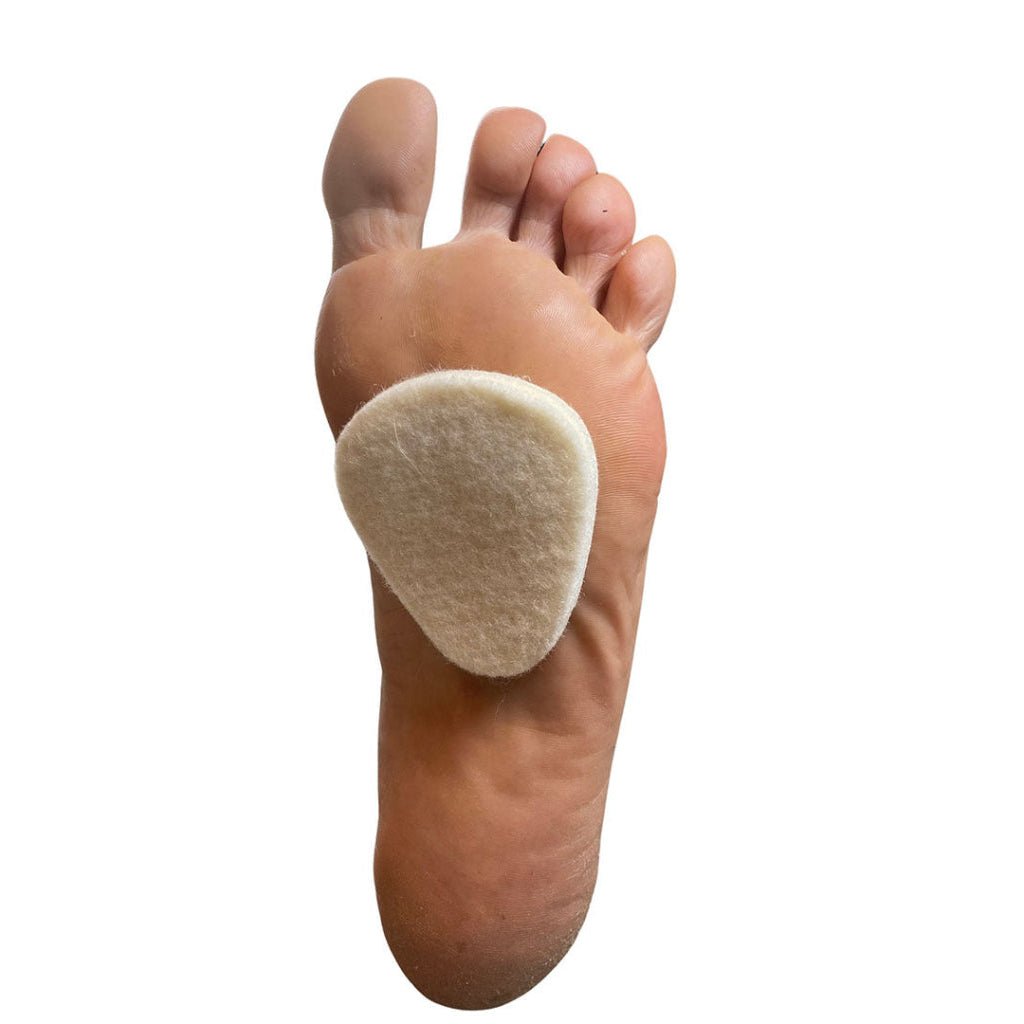
My favorite metatarsal pad for offloading the ball of the foot. It is cut from dense, 1/4 inch adhesive medical grade felt that you can trim to fit, the same type of pad I have used with patients for more than 30 years.
Details: one size, 1/4 inch adhesive medical grade felt, 8 pads per pack. Trim with scissors for a custom fit.
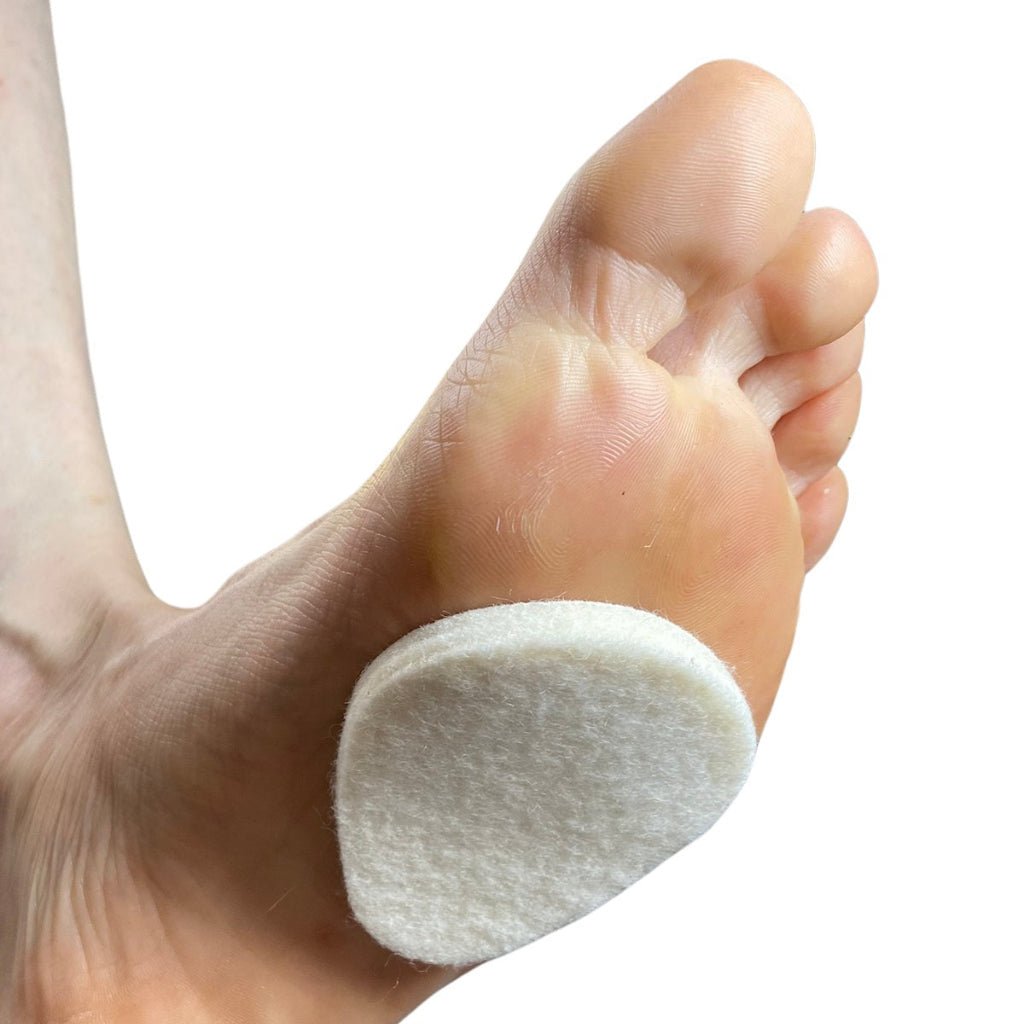
How it works: placed just behind or before the ball of the foot, the pad lifts and spreads the metatarsal bones so pressure moves away from the sore area beneath them. It cushions and offloads. Placement is what makes it work, so please watch my placement video before you apply it.
Commonly used for:
- Pressure or soreness under the ball of the foot
- Morton's neuroma
- Metatarsalgia
- Calluses under the ball of the foot
- Extra support under an insole or orthotic
Where to put it, from best to good:
- On a custom orthotic, just behind the ball of the foot
- On an over-the-counter orthotic or arch support
- On the underside of your shoe insole
- Directly on the skin, removed before bed
Want to understand what is causing the soreness first? Read my guide to metatarsalgia.
When to see a podiatrist first
When to see a podiatrist first
A pad is a good first step for many people, but some situations need an in-person exam before you try one. Please see your podiatrist first if:
- You have diabetes, neuropathy (numbness or tingling) or poor circulation.
- There is an open sore, redness, swelling or warmth.
- The problem started after an injury, or it is severe or getting worse.
- It has not improved after 2 to 3 weeks of using a pad correctly.
WARNINGS
WARNINGS
FAQ
FAQ
Q: Where can the pad be placed?
A: Directly on the foot just before the ball of the foot where it may be sore or on the insole or the orthotic corresponding to the area before the ball of the foot. Please see the you tube video on placement on how to place a metatarsal pad. It is important for success of the pad.
Q: What conditions can metatarsal pads be used?
A: neuritis at the pad, neuromas, general ball of the foot soreness, to help straighten flexible claw toes, to offload a callus, to offload prominent metatarsal heads
Q: How long can a metatarsal pad be worn on the foot
A: I tell my patients NOT to leave it on the skin overnight. The adhesive can irritate the skin .
Q: Where is the best place to put a metatarsal pad?
A: Ideally, on a custom orthotic right before the ball of the foot, if no custom orthotic then an over the counter orthotic just before the ball of the foot , next best place is on the undersurface of a shoe insole followed lastly by directly on the skin right before the ball of the foot.
Q: My metatarsal pad feels bulky in my shoe what is the problem?
A: It likely is freshly placed and in time will compress and fell less bulky. If it does not then likely a shoe with a roomier toe box needs to be worn with metatarsal pad.
Q: My metatarsal pad feels like it is pressing too much in my arch , what do I do?
A: Likely misplaced and needs adjusted. Check out the above video on placement.
Q: How long do metatarsal pads last?
A: Personally I have worn mine for 2-3 months at a time. If there is a twinge of pain restarting at the ball of the foot, it is time to replace it.
Q: My metatarsal pad does not feel like it is offloading enough , what do I do?
A: You can apply 2 metatarsal pads on your insole but this will feel bulky and take time to compress down.
Q: I am not sure why my ball of foot is hurting, what can I do?
A: Be sure to get a diagnosis by a podiatrist before any treatment.
Directions
Directions


Same Products Used in Doctors' Offices

Chosen by a Podiatrist

Secure Checkout

Ships in 1 Business Day

Why the Ball of Your Foot Hurts and How to Relieve It
Metatarsalgia Explained
Learn about metatarsalgia, its causes, and effective relief strategies to help you get back on your feet comfortably.

What is a metatarsal pad and how does it help?
The Best Way to Apply a Metatarsal Pad
Learn what conditions metatarsal pads help. Proper metatarsal pad placement is the key to relief. Dr. Gaffney explains how to do this and mistakes to avoid.